
When and Where Should I Buy a Lawn Mower on Clearance?
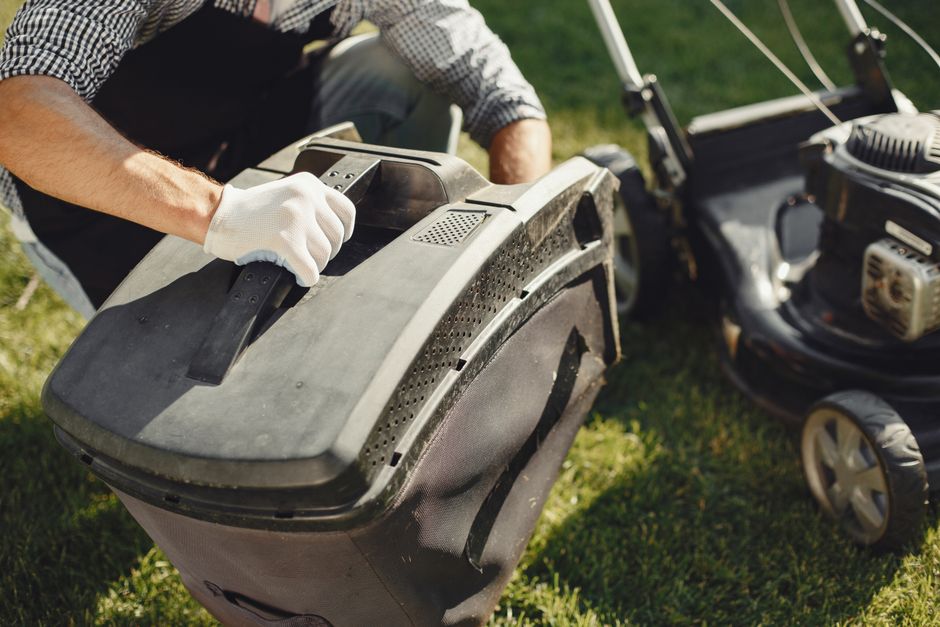
Buy a lawn mower on clearance in August or September if price matters most, but shop in April if you need the widest choice. Match the mower to your yard before comparing discounts, then verify the written warranty, battery coverage, included parts, and the nearest authorized service dealer before paying. Clearance is useful only when the exact mower still fits the job.
When is the best time of year to buy a lawn mower on clearance?
August and September are the best clearance months for buyers who can accept less selection; April is better for buyers who need to choose among more models. Consumer Reports identifies April as a riding-mower sale period with a wider selection. It also says stores may cut prices more sharply in August and September as they make room for snow blowers.
Use a simple rule: buy early when the mower category is non-negotiable; buy late when the model can be flexible. That distinction matters most for riding and zero-turn equipment. Consumer Reports says every gas zero-turn and battery riding mower in its ratings costs more than $3,000, so a poor fit can erase the value of a clearance tag quickly.
| Buying window | What you gain | What you give up | Best use |
|---|---|---|---|
| April | Wider riding-mower selection | Less clearance pressure | Buyers who need a specific configuration |
| August-September | Potentially steeper discounts | Fewer models remaining | Buyers with flexible model requirements |
| After the local mowing season | Possible inventory urgency | Availability may be thin | Buyers who have already checked fit, warranty, and service |
Where you buy matters as much as when. Consumer Reports recommends comparing multiple stores because brands and models may be exclusive to specific home-improvement chains or independent dealers. Add one more filter: identify an authorized service dealer near your home before you choose the seller. A low price does not reduce the inconvenience of transporting a heavy mower for inspection.
Are end-of-season lawn mower sales better than Memorial Day or Black Friday deals?
End-of-season sales are better when you want the strongest clearance pressure; the supplied sources do not establish that Memorial Day or Black Friday is consistently better. Consumer Reports specifically names April for sales with broader riding-mower selection and August through September for steeper discounts as older inventory is cleared. That is usable evidence. A calendar holiday alone is not.
Do not let a promotional label do the comparison work. Compare the exact model number, not a headline that says “up to” a discount. Then ask the seller: “Is this a current model, a prior-model-year unit, a return, or scratch-and-dent stock?” That single question reduces cognitive load because it reveals whether the lower price reflects normal inventory rotation or a condition issue.
There is also a regional clock. The University of Minnesota Extension says homeowners generally mow until grass stops growing around the end of October. In Mississippi, the Mississippi State University Extension Service says grass continues growing until the first frost marks dormancy. Northern stores may need shelf space sooner; southern stores may turn inventory later. Check local stock rather than assuming one national clearance date.
How much can I realistically save on a clearance lawn mower?
Public data in the supplied sources does not provide a reliable percentage or dollar amount for clearance savings, so set the savings target after confirming the mower's normal price and required features. Consumer Reports does establish the stakes: gas push mowers begin around $300, robotic mowers generally cost about $600 to $2,500, and gas or battery lawn tractors and zero-turn mowers can exceed $5,000. It also reports that the price spread between top-scoring machines can reach thousands of dollars.
That means the right question is not “What percentage is off?” It is “What cost am I avoiding without buying the wrong capacity?” Consumer Reports' 2026 buying guide, based on test performance and surveys covering more than 62,000 mowers and tractors purchased from 2015 through 2025, maps categories to yard size: battery walk-behind mowers fit yards of one-third acre or less; gas walk-behind mowers fit roughly one-quarter to one-half acre; riders and zero-turn mowers fit yards larger than one-half acre.
- Push mower check: “Does this mower suit the size of my yard, or am I buying a low price and extra mowing time?”
- Battery check: “Is the battery included, and does its coverage match the mower's coverage?”
- Rider or zero-turn check: “Can I get authorized service locally before I commit to a machine that costs thousands?”
- Robotic mower check: “Does this model's roughly 9-inch deck fit the way I expect to maintain the lawn?”
This is the Price-Tag Trap: a discount is visible, while missing parts, expired battery coverage, or an unsuitable mower category surface later. Apply the same discipline used to verify a discount before you buy: verify the specific product, the terms, and the support path.
Should I buy a previous-year mower model or wait for a newer one?
Buy a previous-year mower when it matches your yard and its warranty, battery terms, parts, and service route are clear; wait when any of those basics are unresolved. The model year itself is not the risk. Unsupported assumptions about what the discount includes are the risk.
Start with the written warranty before checkout. The Federal Trade Commission says consumers must be able to read written warranty terms before purchase, whether shopping in person or online. It advises saving both the warranty and receipt, and checking coverage, exclusions, repair procedures, and whether labor or shipping costs apply.
For Husqvarna, the limited warranty applies to the original retail purchaser from the retail purchase date. Its policy also says first-sale units manufactured more than 12 months earlier have no battery warranty, and that scratch-and-dent purchases and discounted prior-model-year units have no battery warranty. Do not generalize that policy to every brand. Do use it as the exact reason to ask, in writing: “What battery coverage applies to this serial-numbered unit?”
Local service is the second gate. Toro states that warranty repair cannot be determined without a physical inspection by an independent authorized service dealer, proof of purchase is required, and transportation may be the owner's responsibility. For battery equipment, Toro recommends bringing the mower, batteries, and charger for inspection. A distant dealer turns a modest clearance win into a transport problem.
Run the Clearance Gate before paying
- Fit: Confirm the mower type matches your yard size and mowing expectations.
- Condition: Ask whether the unit is new, returned, open-box, scratch-and-dent, or a prior-model-year unit.
- Completeness: Confirm the mower, battery or batteries, charger, manuals, and any promised accessories are included.
- Coverage: Read the written warranty and get the battery-coverage answer before purchase.
- Service: Locate the authorized dealer and ask who handles transport for an inspection.
Finish the job this week: pick one mower category, call two sellers, and use the five questions above word for word. If either seller cannot answer the coverage and service questions cleanly, keep the money and keep shopping.
Frequently Asked Questions
Are open-box and returned lawn mowers worth buying?
They can be worth considering only after you confirm the mower's exact condition, included parts, written warranty, and return terms. The provided sources do not establish a general discount level or reliability rate for open-box and returned mowers. Treat the missing paperwork, battery condition, and service path as decision points, not details to sort out later.
Does a lawn mower warranty start when I buy it or when I first use it?
For Husqvarna products, the limited warranty runs to the original retail purchaser from the date of retail purchase, not first use. The FTC also advises keeping the warranty and receipt because the receipt proves the purchase date and original ownership. Confirm the policy for the exact brand and unit before buying.
Why do mower clearance dates differ between northern and southern states?
Clearance timing follows the local mowing season and each retailer's inventory turnover. University of Minnesota Extension says grass in Minnesota generally stops growing around the end of October, while Mississippi State University Extension says warm-season grass continues growing until the first frost causes dormancy. That longer southern season can delay the pressure to replace mower inventory.
Sources
- Consumer Reports: Riding Lawn Mower Sales
- Consumer Reports: Lawn Mower Buying Guide
- Husqvarna: Warranty Coverage Time Period
- Toro: Service and Repair Information
- Federal Trade Commission: Warranties
- University of Minnesota Extension: Mowing Practices for Healthy Lawns
- Mississippi State University Extension Service: Fall Lawn Guide